
GLP Research Peptides (GLP-1 / GIP / Glucagon)
The GLP category covers incretin-pathway reference peptides used to study GLP-1, GIP, and glucagon receptor pharmacology. This is one of the most active areas of metabolic research. Dual GIP/GLP-1 receptor agonism was evaluated in the SURPASS phase-3 program, where the 39-amino-acid peptide tirzepatide was studied for glycemic and body-weight endpoints, with reported body-weight changes of roughly −7.0 kg to −9.5 kg across trials.
Triple GLP-1/GIP/glucagon receptor agonism has since been examined in the peer-reviewed literature: the 48-week phase-2 trial of retatrutide by Jastreboff and colleagues, published in the New England Journal of Medicine (2023), reported mean body-weight reductions of up to approximately 24.2% at the highest dose in its study population. Our GLP-class items are supplied as lyophilized reference standards for in-vitro laboratory research only.
These are research reference compounds — not pharmaceuticals — and are not for human or veterinary use.
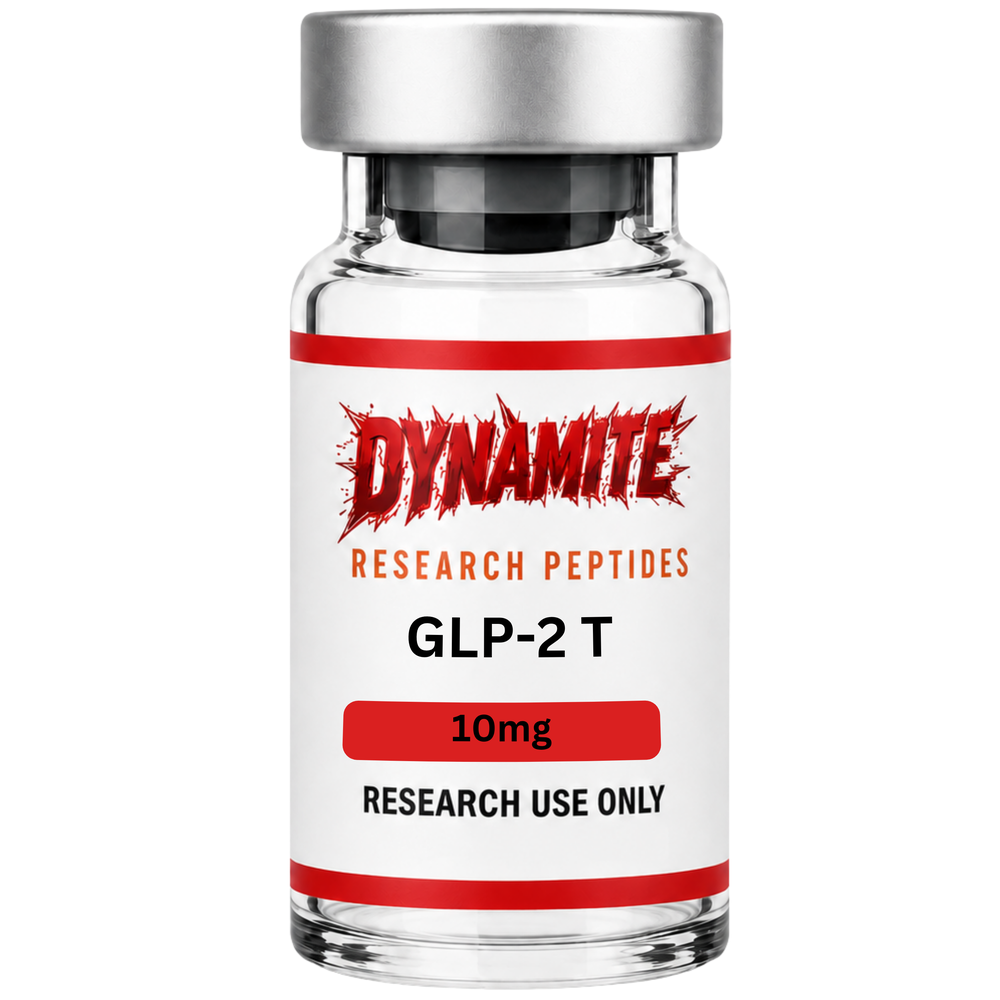
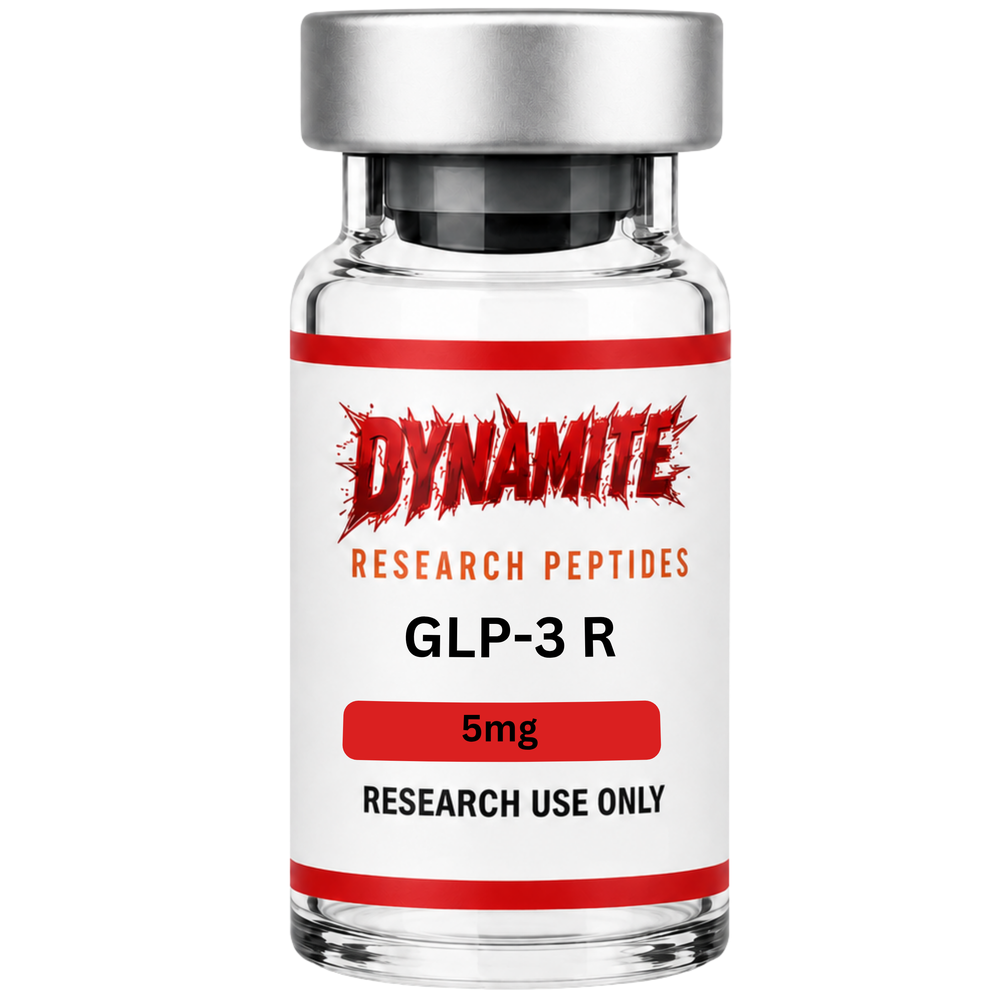
Featured compounds: GLP-2 T and GLP-3 R research reference compounds, plus related incretin-pathway standards.
GLP Research Peptides (GLP-1 / GIP / Glucagon) — 2 Research Compounds
Frequently Asked Questions
What are GLP research peptides?
They are reference compounds used to study the incretin system — the GLP-1, GIP, and glucagon receptors. The published literature on this class (e.g., tirzepatide, retatrutide) is extensive. Our products are supplied strictly for in-vitro laboratory research.
Research References
- The Role of Tirzepatide, a Dual GIP/GLP-1 Receptor Agonist — the SURPASS Clinical Trials. (PMC7843845)
- Tirzepatide in patients with type 2 diabetes (SURPASS-1): phase 3 trial. The Lancet, 2021.
- Jastreboff AM, et al. Triple–Hormone-Receptor Agonist Retatrutide for Obesity — A Phase 2 Trial. NEJM, 2023.
References are provided for scientific context only. Cited studies describe laboratory, preclinical, or clinical research and do not constitute claims about these products. All items on this page are sold strictly for in-vitro laboratory research use — not for human or veterinary use.