
Growth Hormone Secretagogue Research Peptides
Growth-hormone secretagogues are peptides studied for their action on the ghrelin receptor (GHS-R) and the GHRH receptor to modulate pulsatile growth-hormone release in laboratory models. Ipamorelin was characterized by Raun and colleagues (1998) as “the first selective growth-hormone secretagogue,” releasing GH via the ghrelin receptor without the prolactin or cortisol elevations seen with earlier compounds.
Tesamorelin is a stabilized GHRH analog and the only GHRH-class molecule to receive FDA approval (2010, brand Egrifta), where a pooled analysis of 806 participants reported roughly a 15.4% reduction in visceral adipose tissue versus placebo at 26 weeks in a specific clinical population. The category also includes the long-acting GHRH analog CJC-1295 (with and without DAC), Sermorelin, GHRP-6, Hexarelin, and IGF-1 LR3.
These peptides are supplied as lyophilized reference material for in-vitro laboratory research only — not for human or veterinary use.
Featured compounds: Ipamorelin, CJC-1295 (DAC / No-DAC), Sermorelin, Tesamorelin, GHRP-6, Hexarelin, and IGF-1 LR3.
Growth Hormone Secretagogue Research Peptides — 11 Research Compounds
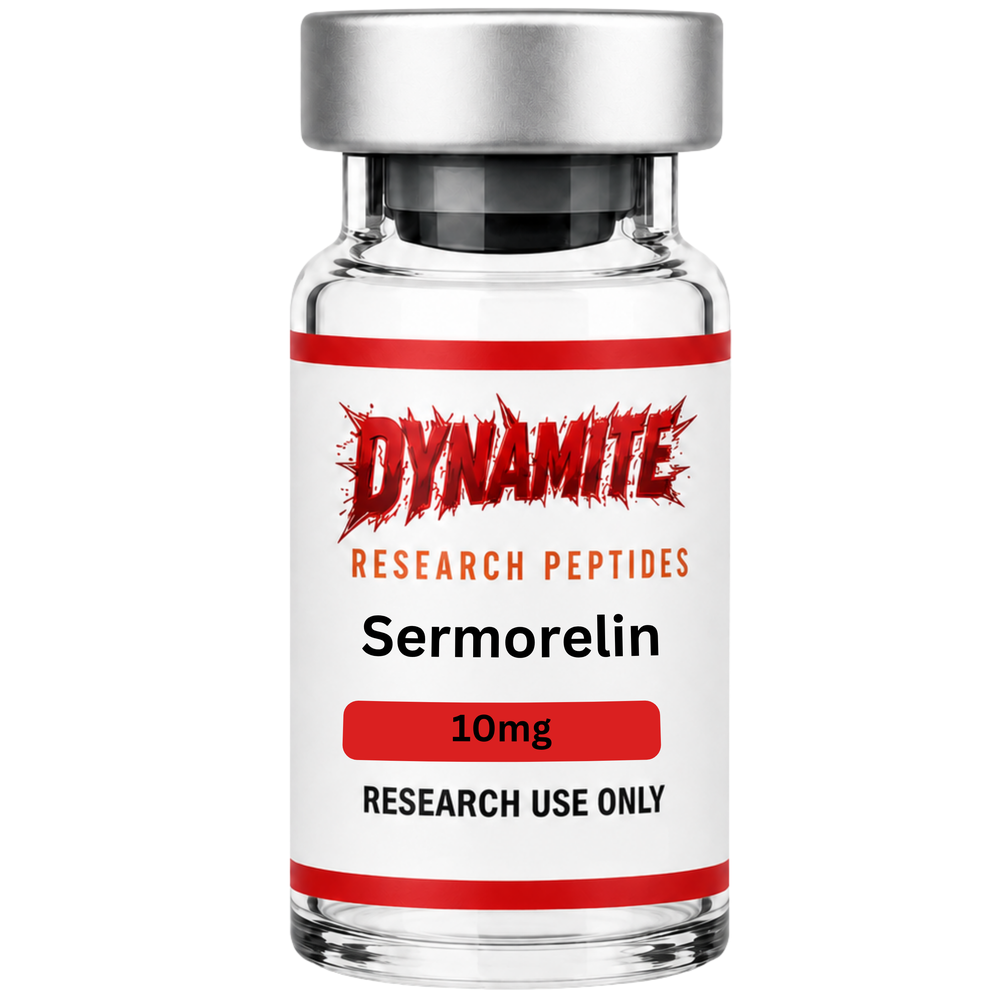
Sermorelin
99%+ • COA
$99.99
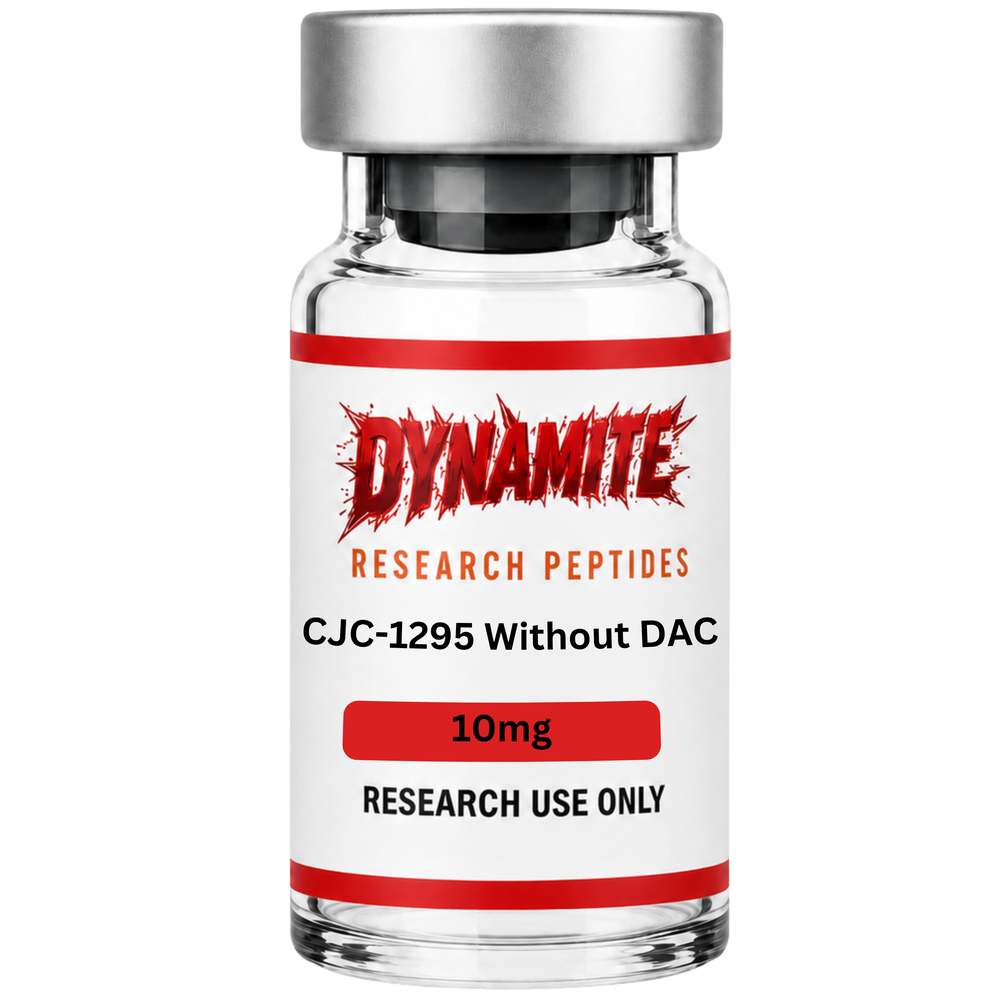
CJC-1295 Without DAC
99%+ • COA
$99.99
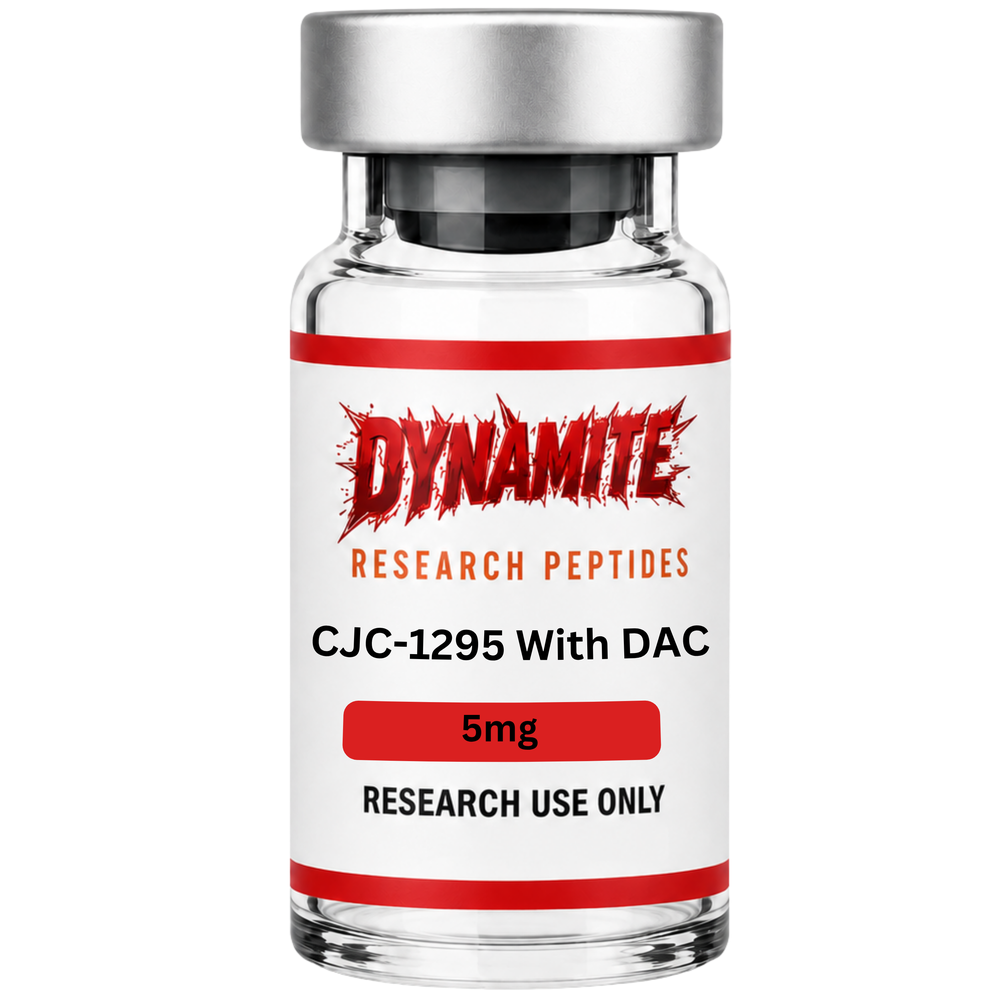
CJC-1295 With DAC
99%+ • COA
$109.99
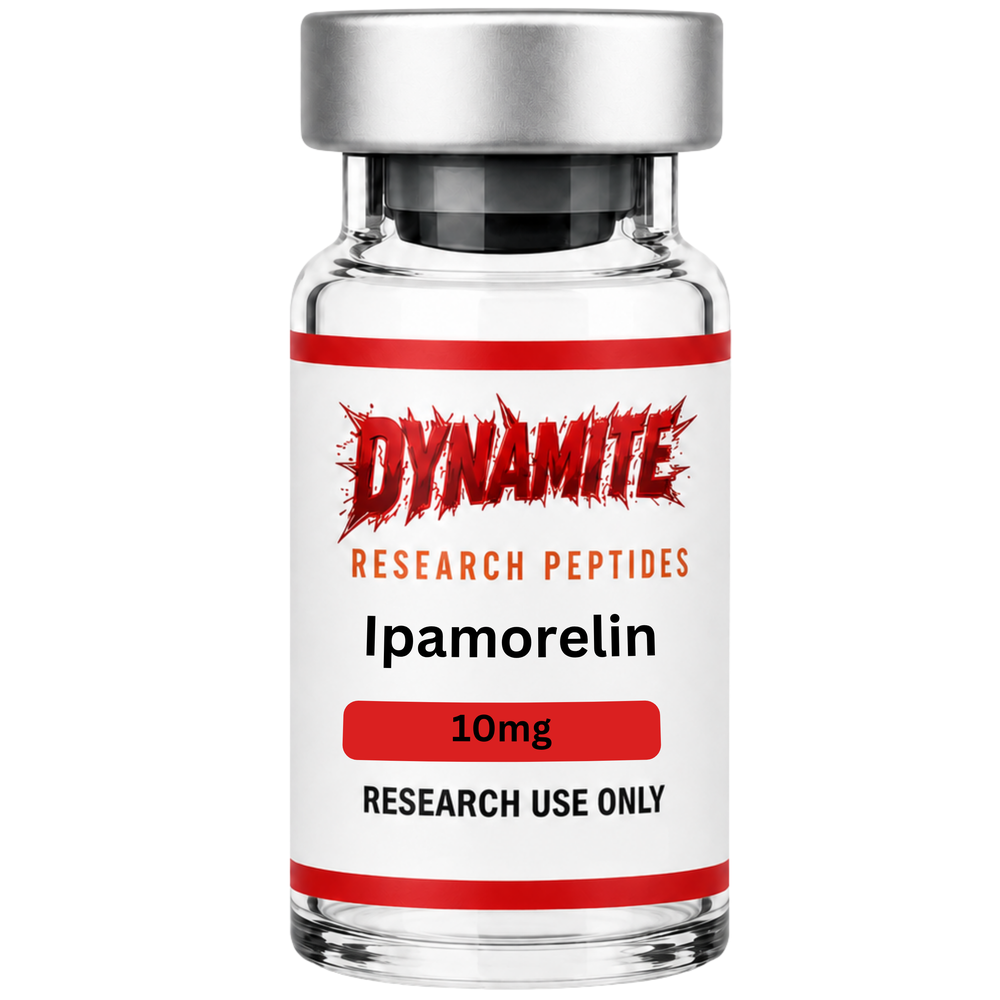
Ipamorelin
99%+ • COA
$49.99
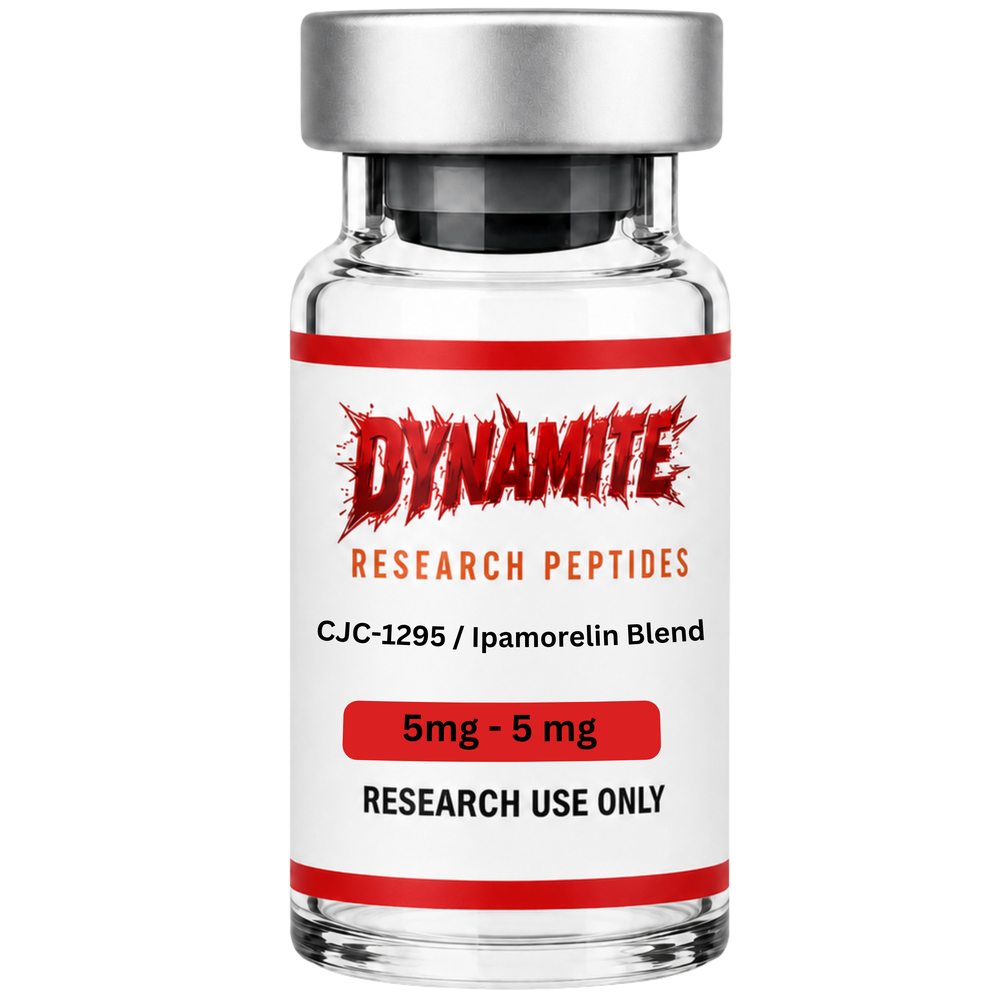
CJC-1295 / Ipamorelin Blend
99%+ • COA
$74.99
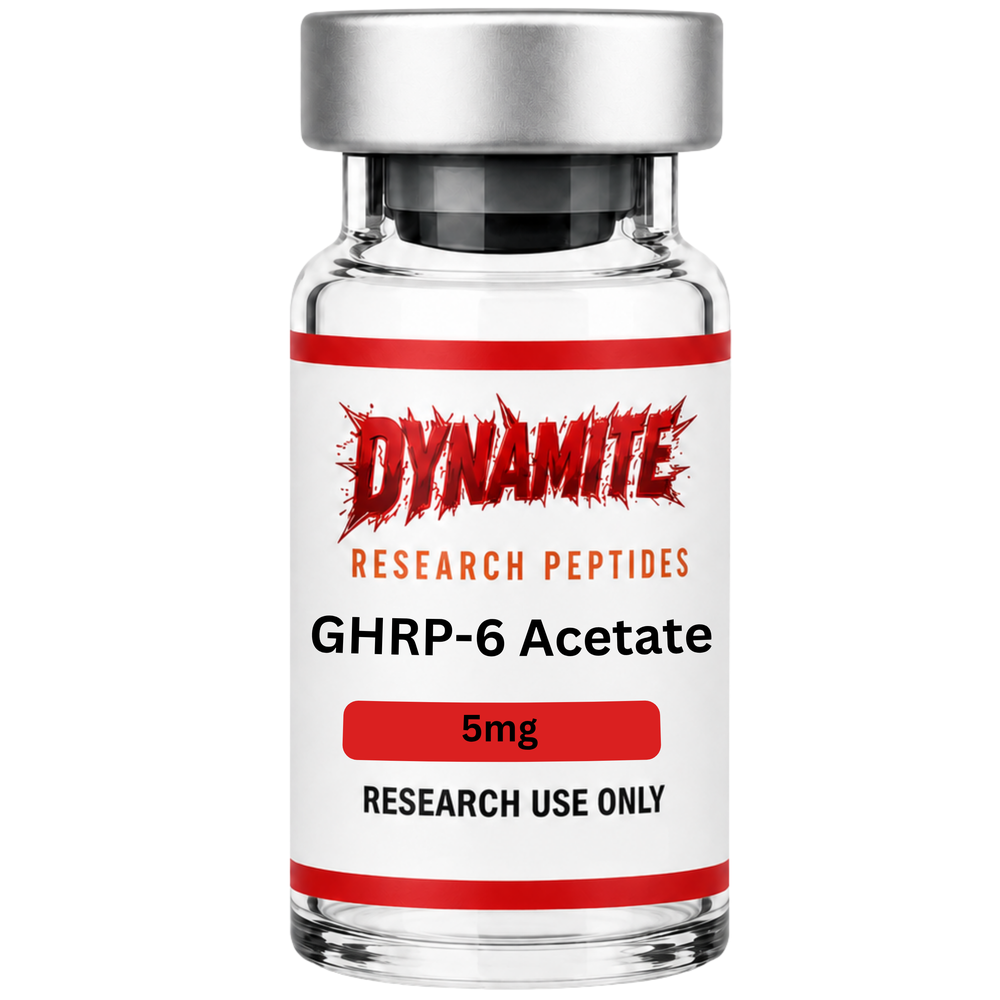
GHRP-6 Acetate
COA coming soon
From $34.99
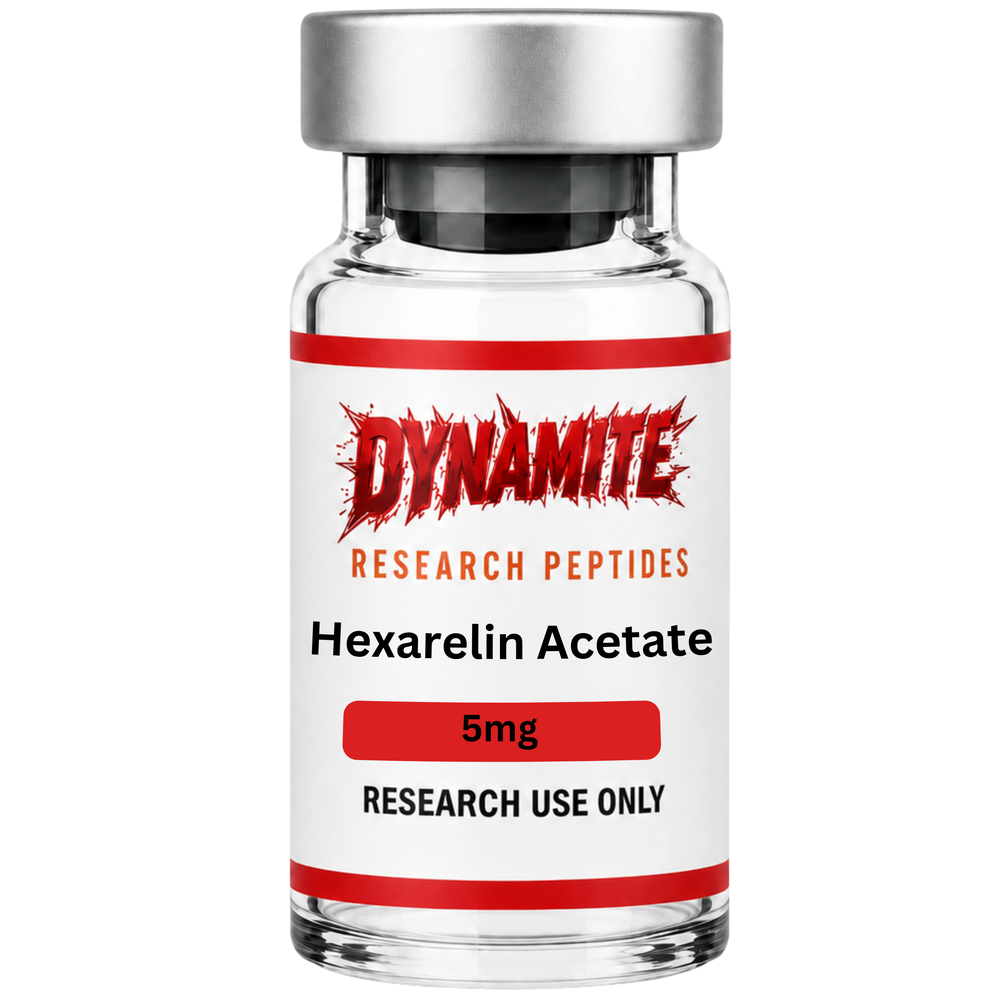
Hexarelin Acetate
99%+ • COA
$59.99
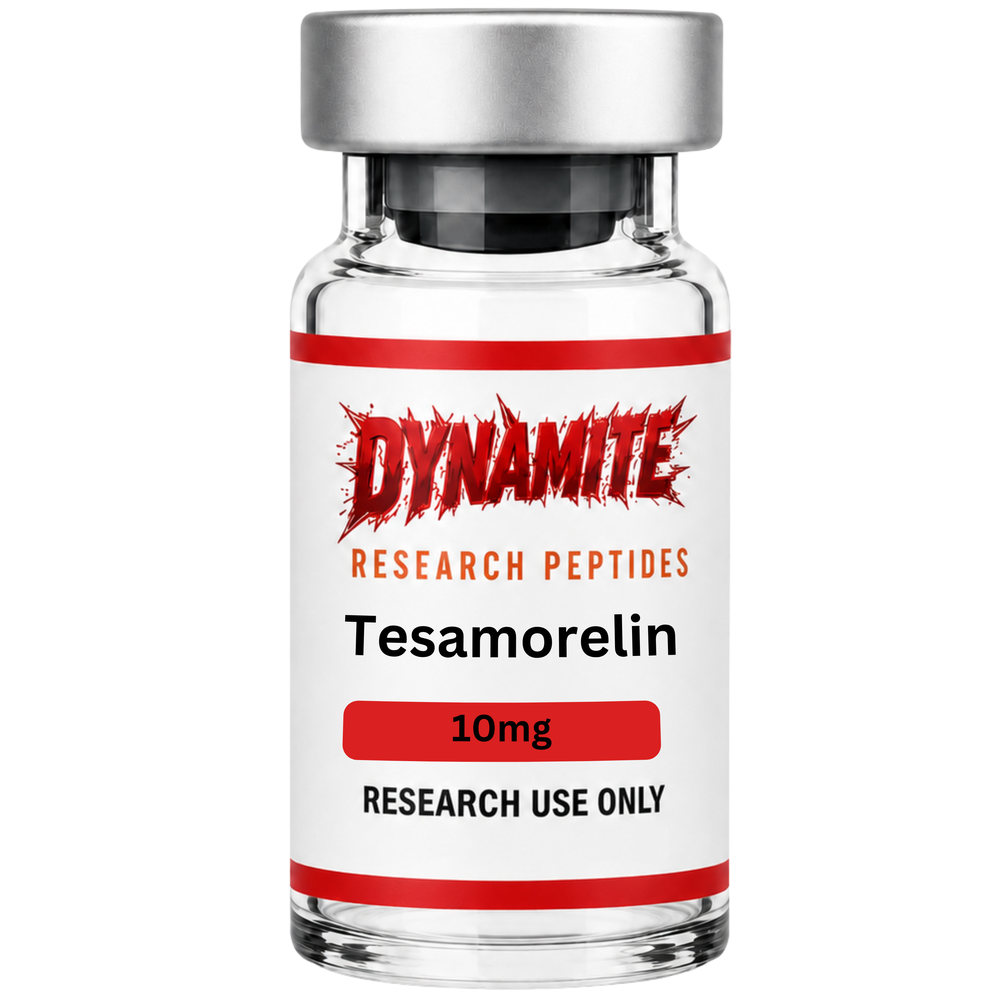
Tesamorelin
99%+ • COA
From $104.99
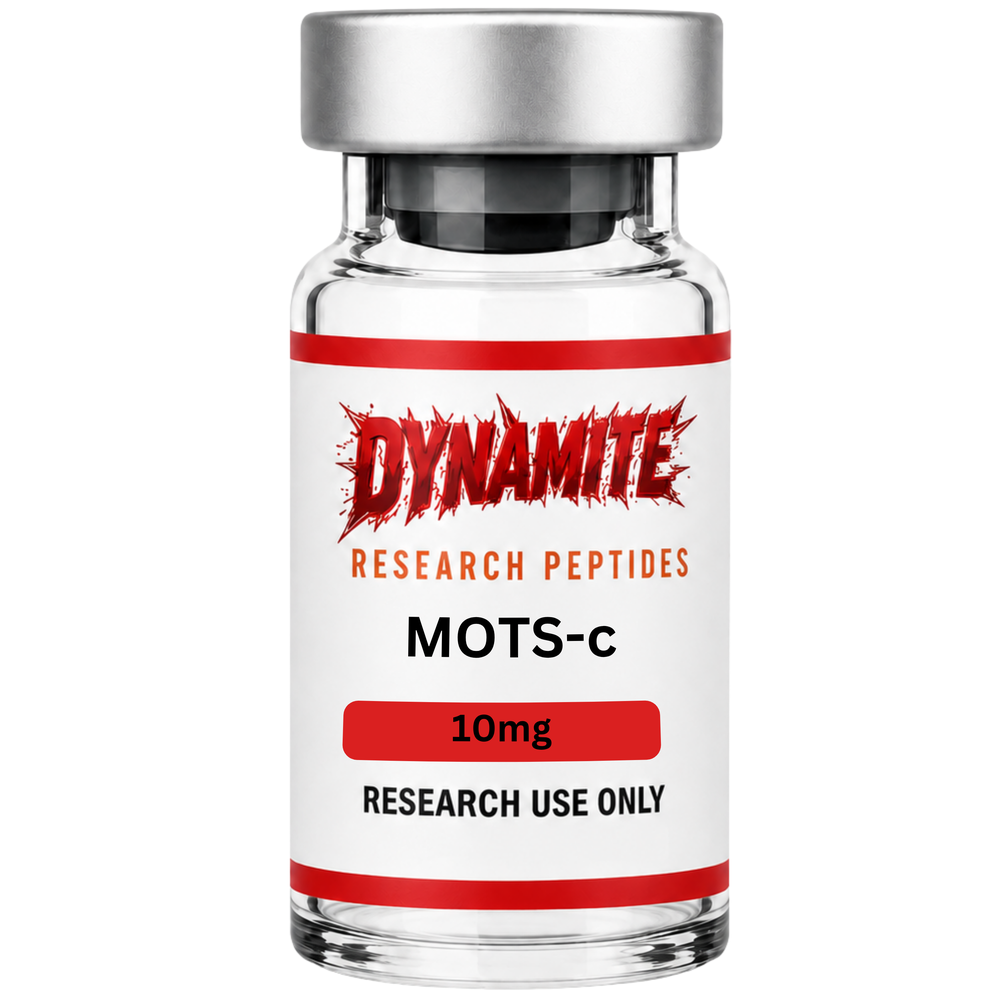
MOTS-c
99%+ • COA
From $59.99
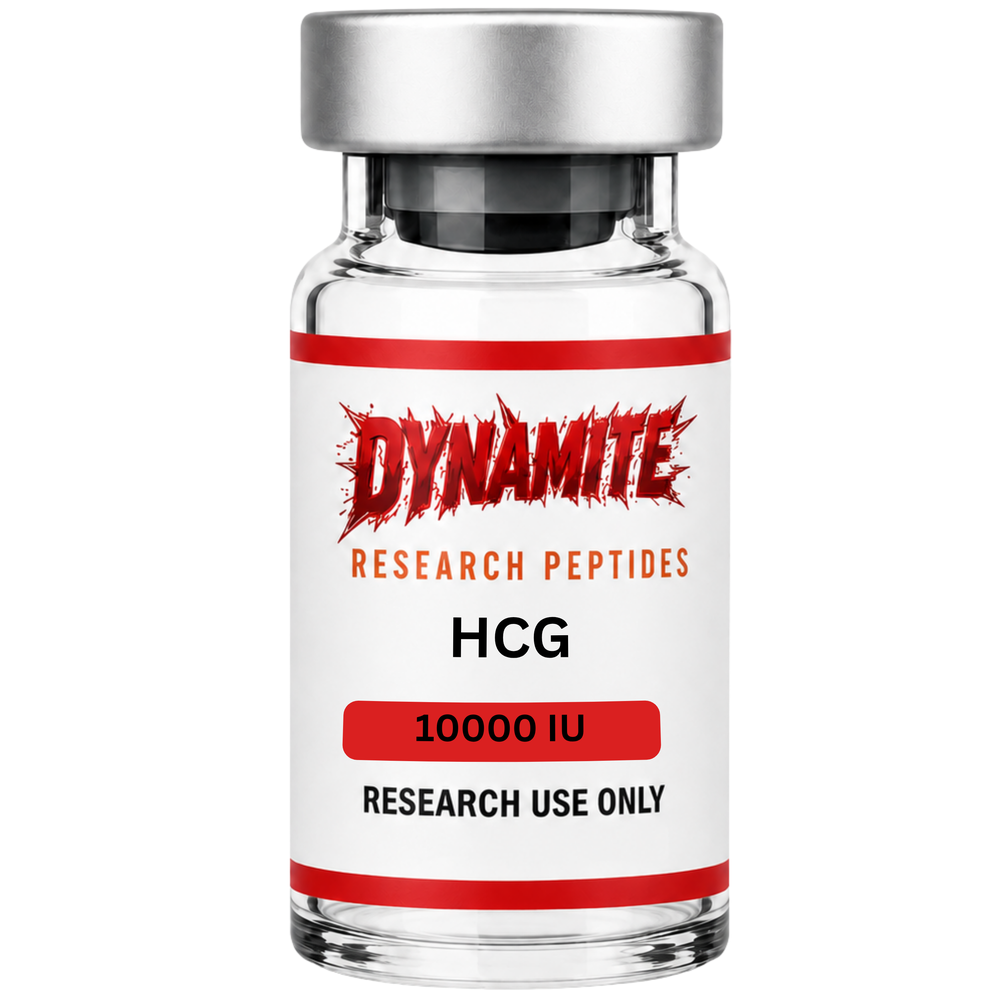
HCG
99%+ • COA
$89.99
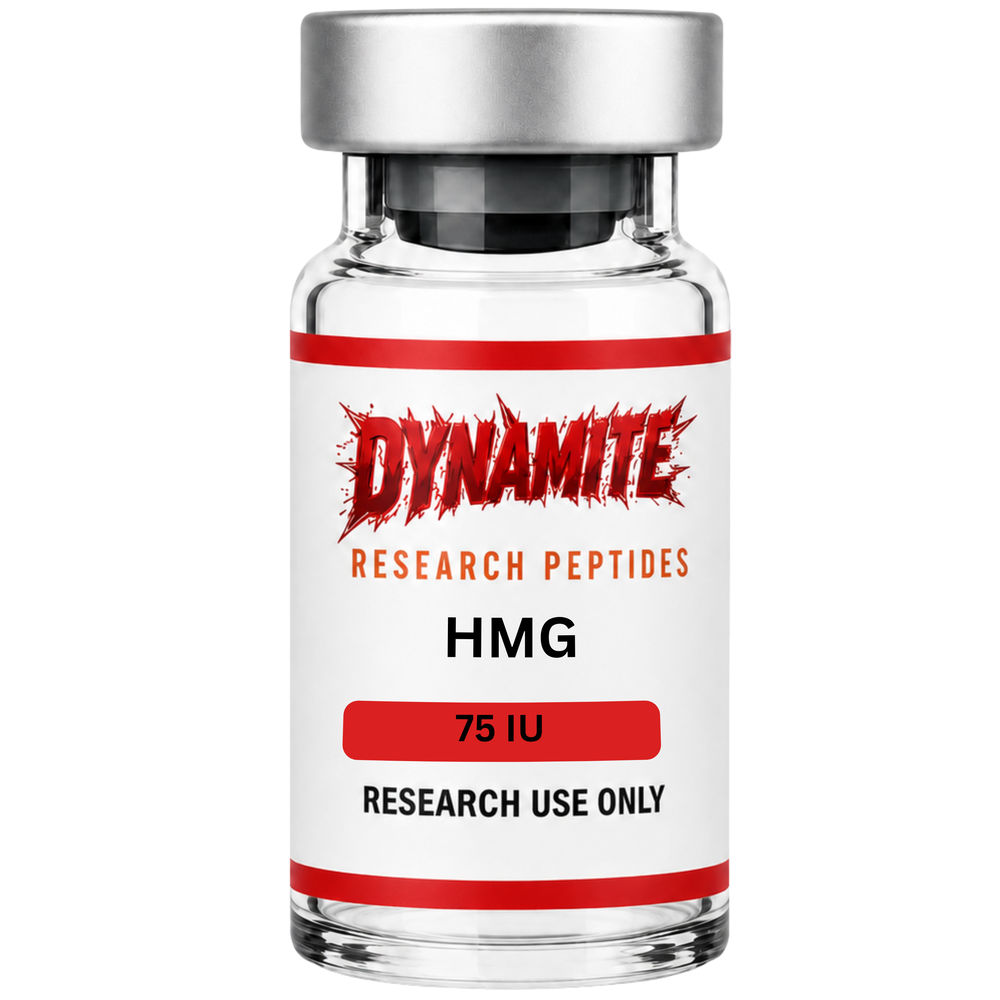
HMG
99%+ • COA
$54.99
Frequently Asked Questions
What is a growth hormone secretagogue?
A secretagogue is a compound that stimulates the release of growth hormone. In research, peptides like Ipamorelin (ghrelin-receptor) and Tesamorelin (GHRH-receptor) are used to study GH signaling. They are supplied as research reference compounds.
Research References
- Raun K, et al. Ipamorelin, the first selective growth hormone secretagogue. European Journal of Endocrinology, 1998.
- Tesamorelin (Egrifta) — FDA-approved GHRH analog; pooled Phase 3 visceral-fat analysis.
References are provided for scientific context only. Cited studies describe laboratory, preclinical, or clinical research and do not constitute claims about these products. All items on this page are sold strictly for in-vitro laboratory research use — not for human or veterinary use.