Tissue Research Peptides
The tissue research category covers peptides studied in tissue-repair, angiogenesis, and extracellular-matrix research models. The best-characterized compound is BPC-157, a stable pentadecapeptide derived from a sequence in human gastric juice, first described by Sikiric and colleagues at the University of Zagreb. In a rat tendon-fibroblast model, BPC-157 dose- and time-dependently up-regulated the growth-hormone receptor at both mRNA and protein levels, a mechanism proposed to potentiate fibroblast proliferation during tendon healing.
Thymosin Beta-4 (supplied in research as TB-500) is an actin-sequestering peptide central to cell migration and angiogenesis. In a landmark full-thickness dermal-wound model, Malinda, Goldstein and Kleinman reported that Thymosin Beta-4 increased re-epithelialization by roughly 42% at day 4 and up to 61% at day 7 versus saline controls, with increased collagen deposition and new vessel formation. The copper-binding tripeptide GHK-Cu and the alpha-MSH fragment KPV round out this category as widely studied signaling and anti-inflammatory research reagents.
All compounds in this category are supplied as lyophilized reference material for in-vitro laboratory research only — not for human or veterinary use.
Featured compounds: BPC-157, TB-500 (Thymosin Beta-4), GHK-Cu, KPV, and the Wolverine / GLOW / KLOW research blends.
Tissue Research Peptides — 8 Research Compounds
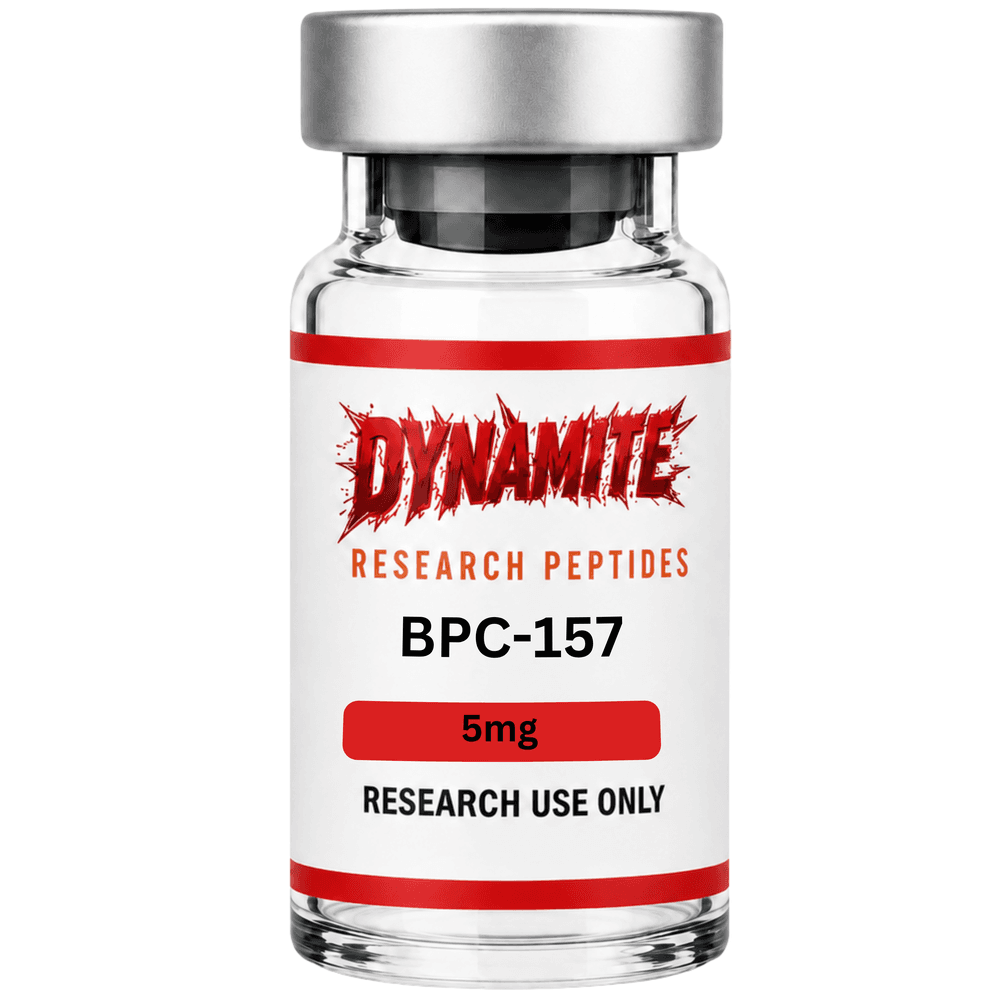
BPC-157
Third-Party COA
From $89.9950% offcode BLACKFRIDAY
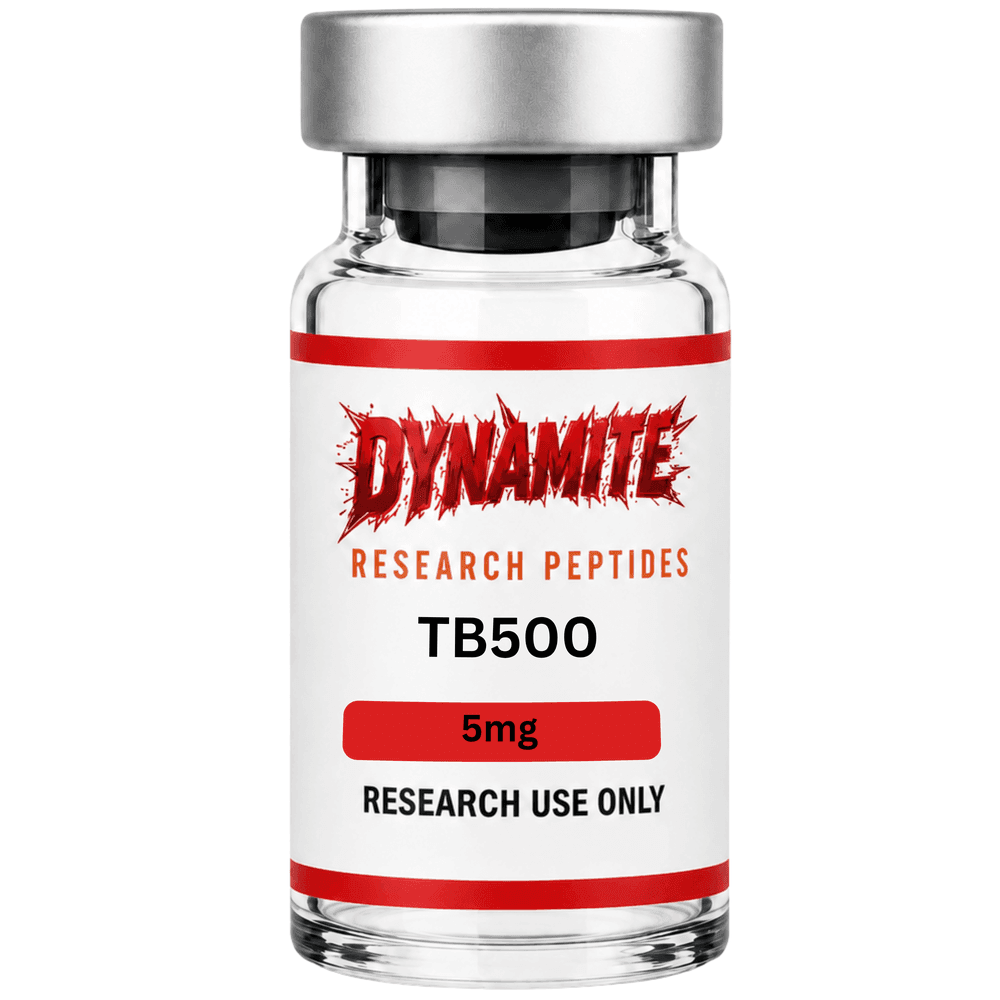
Thymosin Beta 4 (TB500)
Third-Party COA
From $108.9950% offcode BLACKFRIDAY
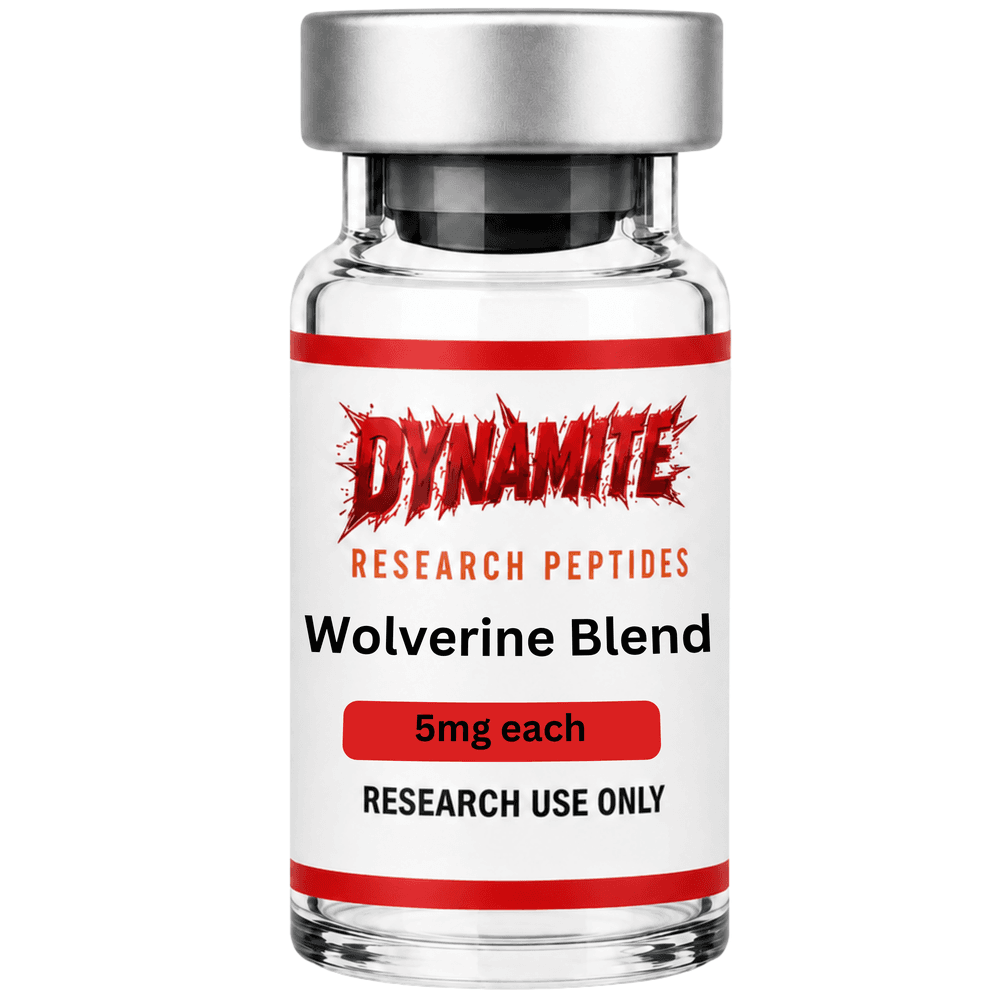
Wolverine Blend — BPC-157 / TB500
Third-Party COA
From $84.9950% offcode BLACKFRIDAY
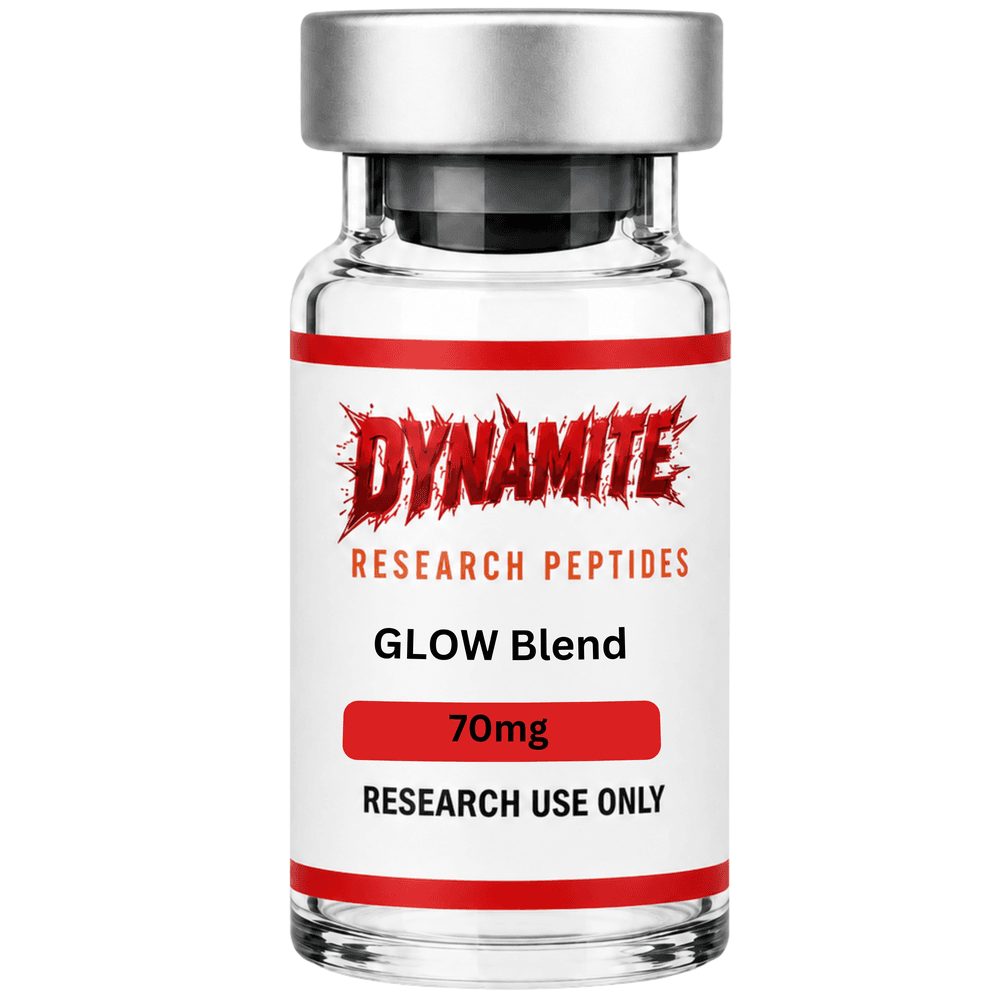
GLOW Blend — GHK-Cu / BPC-157 / TB500
Third-Party COA
$265.9950% offcode BLACKFRIDAY
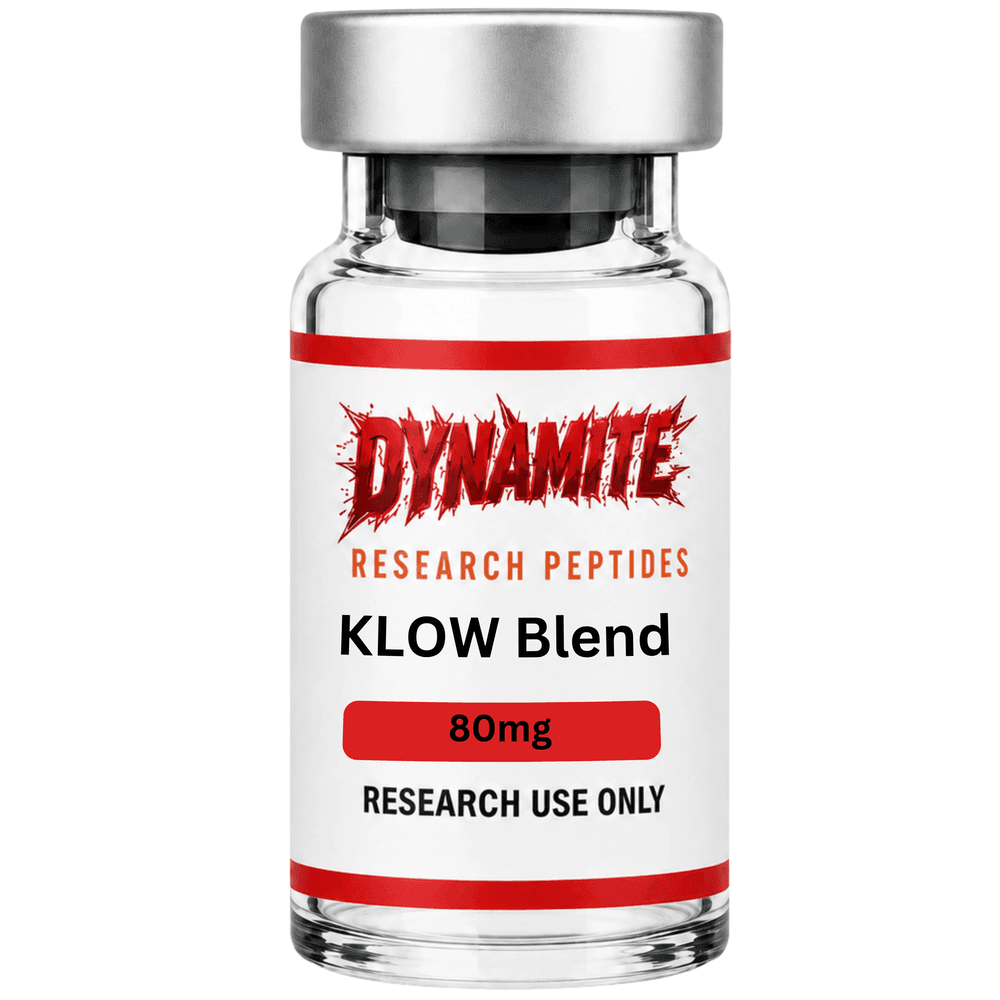
KLOW Blend — GHK-Cu / KPV / BPC-157 / TB500
Third-Party COA
$159.9950% offcode BLACKFRIDAY
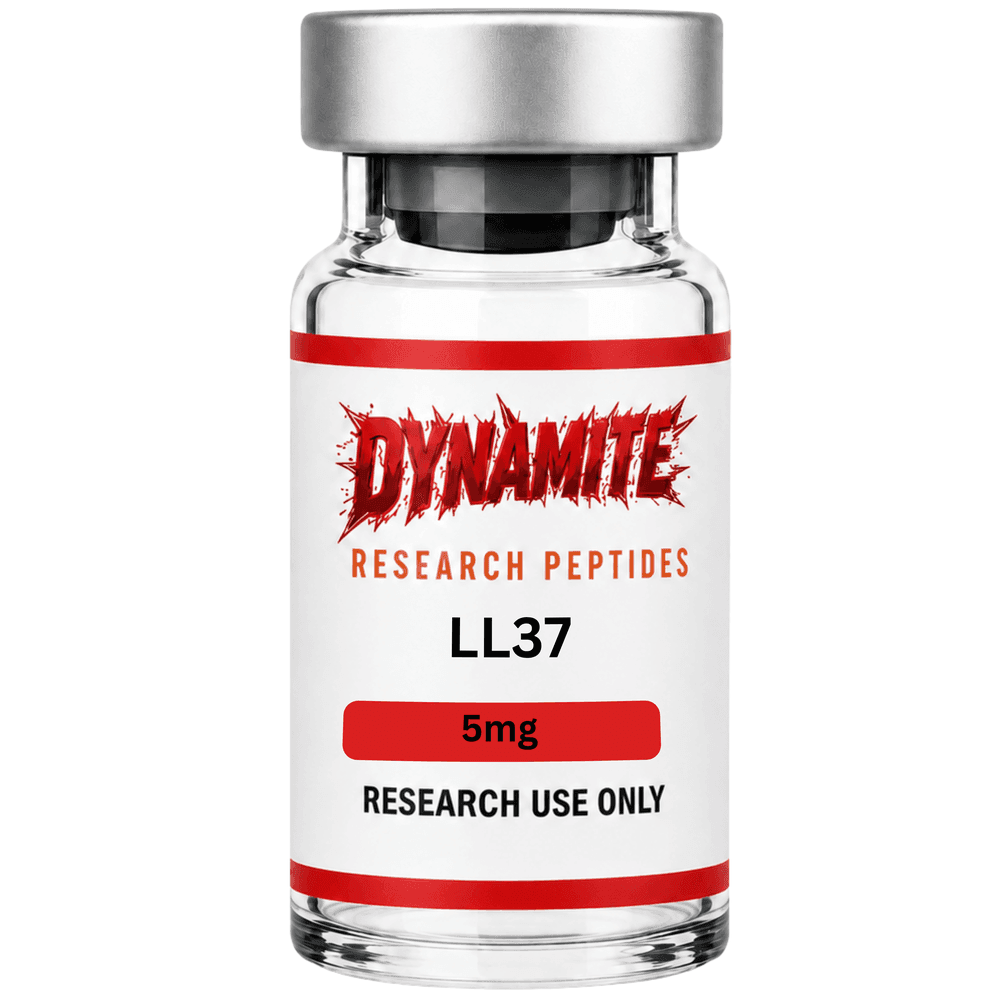
LL37
Third-Party COA
$101.9950% offcode BLACKFRIDAY
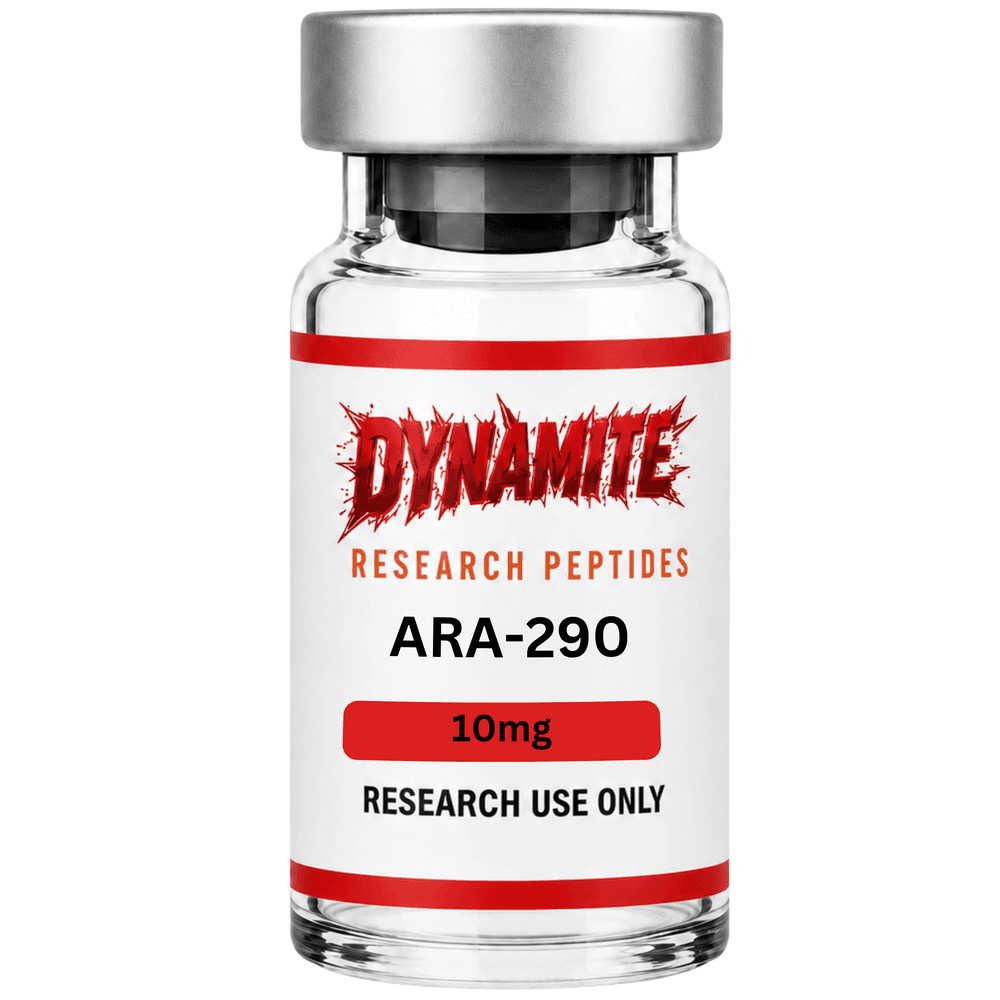
ARA-290
Third-Party COA
$107.9950% offcode BLACKFRIDAY
KPV (Lysine-Proline-Valine)
Third-Party COA
$89.9950% offcode BLACKFRIDAY
Frequently Asked Questions
What are tissue research peptides?
They are peptides such as BPC-157, TB-500 (Thymosin Beta-4), GHK-Cu, and KPV that are studied in laboratory models of tissue repair, angiogenesis, and inflammatory signaling. They are sold strictly as research reference material.
Are these products purity-tested?
Third-party testing and COAs available.
Research References
- Chang C-H, et al. Pentadecapeptide BPC 157 Enhances the Growth Hormone Receptor Expression in Tendon Fibroblasts. (PMC6271067)
- Malinda KM, Goldstein AL, Kleinman HK, et al. Thymosin beta4 accelerates wound healing. J Invest Dermatol, 1999. (PubMed 10469335)
References are provided for scientific context only. Cited studies describe laboratory, preclinical, or clinical research and do not constitute claims about these products. All items on this page are sold strictly for in-vitro laboratory research use — not for human or veterinary use.